
Top 15 Winding Machines Every Manufacturer Should Know About in 2026
Introduction
As industries continue to demand higher efficiency, better precision, and faster production speeds, winding machines have become essential across transformer manufacturing, automotive electronics, EV motor production, electrical equipment, industrial automation, and power distribution sectors.
Whether you are investing in a transformer winder, evaluating a motor coil winding machine, or scaling production with advanced automation, selecting the right winding technology directly impacts productivity, quality, and manufacturing costs.
This guide explores the top 15 winding machines that manufacturers should understand when planning future-ready production facilities.
What Makes Winding Machines Essential in Modern Manufacturing?
Winding operations influence the quality and performance of products such as transformers, motors, relays, ignition coils, sensors, inductors, and antennas.
Modern winding machines help manufacturers:
- Improve winding accuracy
- Maintain consistent wire tension
- Increase production output
- Reduce material wastage
- Improve repeatability
- Support automated manufacturing
As product complexity increases, advanced winding systems provide a significant competitive advantage.
1. Why Is a Transformer Winder Essential for Power Equipment Manufacturing?
A transformer winder is designed specifically for winding transformer coils used in power distribution, industrial infrastructure, renewable energy systems, and utility applications.
Its ability to maintain precise layer placement and wire tension ensures consistent transformer performance and reliability.
Key applications include:
- Distribution transformers
- Power transformers
- Instrument transformers
- Traction transformers
2. Why Is a Transformer Coil Winding Machine Widely Used Across Industries?
A transformer coil winding machine automates the production of transformer windings while ensuring precise turn counts and uniform winding layers.
Benefits include:
- Improved productivity
- Better dimensional consistency
- Reduced operator dependency
- Lower error rates
These machines are commonly used in medium- and high-volume transformer production.
3. How Do Automatic Transformer Coil Winding Machines Improve Efficiency?
Advanced transformer coil winding machines offer programmable controls, insulation handling systems, and automated wire positioning.
Advantages include:
- Faster production cycles
- Higher precision
- Consistent quality
- Reduced setup times
These systems are especially valuable for large-scale transformer manufacturers.
4. Why Is a Motor Coil Winding Machine Critical for Motor Manufacturing?
A motor coil winding machine is specifically engineered to produce motor windings with high accuracy and repeatability.
Applications include:
- Electric vehicle motors
- Industrial motors
- HVAC systems
- Robotic systems
- Appliance motors
Because winding quality directly affects torque and efficiency, these machines are crucial to motor production.
5. How Does a Wire Winding Machine Support Multiple Industries?
A wire winding machine is one of the most versatile winding solutions available.
It can produce a wide variety of coils, including:
- Relay coils
- Solenoid coils
- Transformer coils
- Sensor coils
- Ignition coils
Its flexibility makes it suitable for manufacturers producing diverse electromagnetic products.
6. Why Are Coil Winding Machines the Foundation of Electromagnetic Manufacturing?
Coil winding machines are the core technology behind thousands of electrical products.
Common applications include:
- Transformers
- Motors
- Antennas
- Actuators
- Chokes
- Inductors
Modern coil winding machines help maintain strict quality and performance requirements across industries.
7. How Do CNC Winding Machines Improve Precision?
CNC-controlled winding machines offer programmable control over coil geometry and winding patterns.
Benefits include:
- High repeatability
- Complex winding capability
- Improved process control
- Reduced operator error
These systems are commonly used in aerospace, medical, and precision electronics applications.
8. Why Are Automatic Winding Machines Becoming Industry Standard?
Automation helps manufacturers achieve greater consistency and production efficiency.
Automatic winding systems provide:
- Reduced labor requirements
- Higher throughput
- Better quality control
- Lower manufacturing costs
Many facilities transitioning toward Industry 4.0 are investing heavily in automated winding solutions.
9. What Makes Multi-Spindle Winding Machines Ideal for High-Volume Production?
Multi-spindle systems wind multiple coils simultaneously.
Advantages include:
- Increased productivity
- Improved machine utilization
- Faster production cycles
- Better cost efficiency
These machines are widely used in automotive and appliance manufacturing.
10. Why Are Stator Winding Machines Important for Electric Motors?
Stator winding machines are designed to wind coils directly into motor stators.
Applications include:
- BLDC motors
- AC motors
- Generator stators
- Industrial motors
These machines help improve winding consistency and motor efficiency.
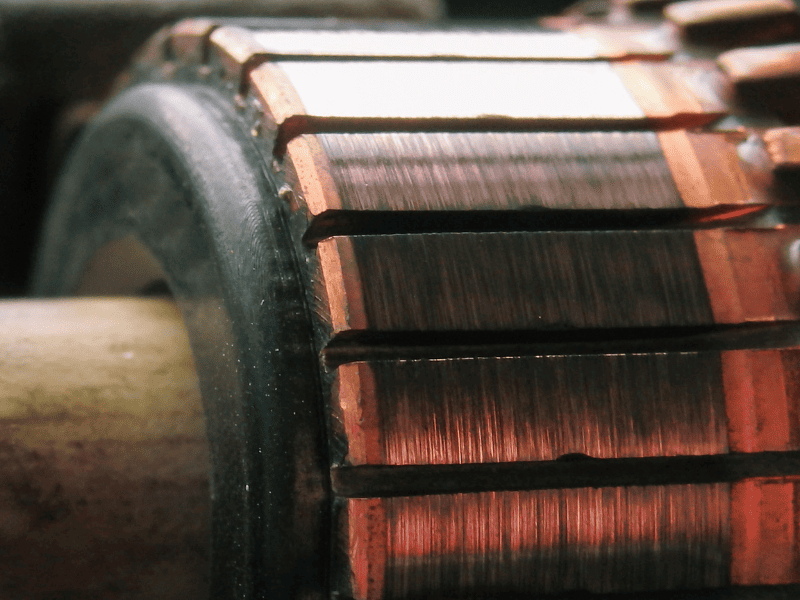
11. How Do Armature Winding Machines Support Motor Production?
Armature winding machines produce windings used in armatures for various motor types.
Benefits include:
- Precise winding patterns
- Improved electrical performance
- Better productivity
They are frequently used in power tools, pumps, and industrial equipment manufacturing.
12. Why Are Toroidal Winding Machines Growing in Popularity?
Toroidal transformers offer several performance advantages, but they require specialized winding equipment.
Toroidal winding machines support:
- Toroidal transformers
- Current transformers
- Precision inductors
Key benefits include:
- Better winding uniformity
- Reduced manual effort
- Improved productivity
13. How Do Capacitor Winding Machines Support Electrical Component Manufacturing?
Capacitor winding machines are used for winding dielectric films and foils into capacitor assemblies.
Applications include:
- Power capacitors
- Motor capacitors
- Capacitor voltage transformers
- Energy storage systems
These machines play a critical role in electrical component manufacturing.
14. Why Are Needle Winding Machines Important for Compact Motor Designs?
Needle winding machines are commonly used for:
- BLDC motors
- Automotive stators
- Small industrial motors
Benefits include:
- High slot-fill capability
- Compact winding geometry
- Improved production accuracy
These machines are particularly important in EV and appliance motor manufacturing.
15. How Are Custom Winding Machines Helping Manufacturers Stay Competitive?
Many applications require highly specialized winding solutions that cannot be addressed by standard machines.
Custom systems often support:
- Antenna coils
- Ignition coils
- Exciter coils
- Sensor coils
- Specialized transformer windings
These application-specific solutions help manufacturers optimize both product performance and production efficiency.
How Should Manufacturers Choose the Right Winding Machines?
Choosing among different winding machines depends on several factors.
What Factors Should Be Evaluated Before Investing?
| Factor | Why It Matters |
| Production Volume | Determines automation requirements |
| Product Complexity | Influences machine type |
| Wire Size | Affects machine capability |
| Future Scalability | Supports long-term growth |
| Precision Requirements | Determines control features |
| Industry Application | Influences machine configuration |
A careful evaluation of both current and future production needs helps ensure the right investment.
Conclusion
The demand for advanced winding machines continues to grow as industries pursue higher productivity, improved precision, and greater manufacturing efficiency. From a transformer winder and transformer coil winding machine to a motor coil winding machine and versatile wire winding machine, every winding technology serves a specific purpose within modern production environments.
Understanding the capabilities of these 15 machine types helps manufacturers make informed decisions that improve quality, reduce costs, and prepare operations for future growth.
At Synthesis Winding Technologies, we bring over three decades of expertise in winding automation, transformer winding systems, motor winding solutions, and custom-engineered machinery. Our solutions help manufacturers achieve superior precision, productivity, and reliability across diverse winding applications.
Looking for the right winding machines for your manufacturing requirements? Contact Synthesis Winding Technologies today to explore advanced winding solutions designed for modern production challenges.
FAQs
What are winding machines?
Winding machines are specialized systems used to wind wire into coils for transformers, motors, capacitors, relays, sensors, and other electromagnetic components.
What is a transformer winder?
A transformer winder is a machine designed specifically for producing transformer windings with high precision and consistency.
What is a transformer coil winding machine?
A transformer coil winding machine automates winding operations for transformer production while maintaining accurate turn counts and wire placement.
What does a motor coil winding machine do?
A motor coil winding machine produces motor windings used in electric motors and generators.
What is a wire winding machine?
A wire winding machine is a flexible solution capable of producing a wide variety of coil types across different industries.
Why are automatic winding machines important?
They improve consistency, increase productivity, reduce labor requirements, and support scalable manufacturing.
How do manufacturers choose the right winding machine?
Manufacturers evaluate production volume, coil complexity, wire specifications, automation requirements, scalability needs, and application-specific requirements before selecting winding equipment.