

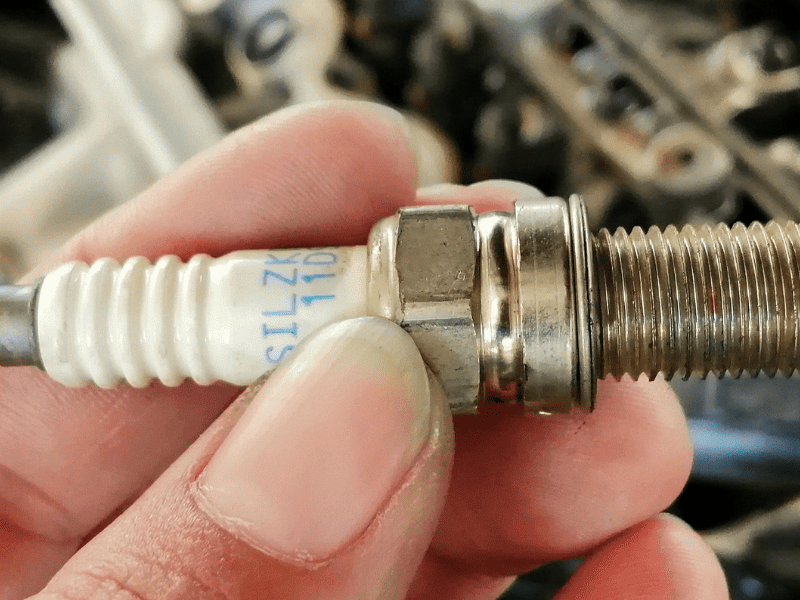
Ignition Coil: A Complete Guide to Working Principles, Symptoms, Testing, Replacement, and Costs
Modern internal combustion engines depend on precise ignition timing to operate efficiently. Every time a spark plug fires, a critical component is working behind the scenes to generate the high voltage required for combustion: the ignition coil.
An ignition coil converts the vehicle’s low battery voltage into the thousands of volts needed to create a spark at the spark plug. Without a properly functioning ignition coil, the engine may experience misfires, poor fuel efficiency, starting issues, reduced performance, or even complete failure to start. Industry resources consistently describe the ignition coil as a voltage-transforming component that generates the high-voltage spark required for combustion.
Whether you’re looking to understand how ignition coils work, identify bad ignition coil symptoms, learn how to test ignition coil performance, or estimate ignition coil replacement cost, this guide covers everything you need to know.
What Is an Ignition Coil?
An ignition coil is an electrical transformer that converts the low-voltage power supplied by a vehicle’s battery into the high-voltage energy required to ignite the air-fuel mixture inside the engine cylinders.
Most vehicle batteries operate at 12 volts, but spark plugs often require tens of thousands of volts to produce a spark strong enough for combustion. The ignition coil performs this voltage transformation.
The primary functions of an ignition coil include:
- Generating high voltage for spark plugs
- Supporting efficient combustion
- Improving engine performance
- Assisting cold starts
- Maintaining fuel efficiency
Without a properly functioning ignition coil, combustion cannot occur reliably.
Why Is the Ignition Coil Important for Engine Performance?
Every combustion cycle depends on the spark generated by the ignition system.
A healthy ignition coil helps ensure:
- Smooth engine operation
- Reliable starting
- Better fuel economy
- Reduced emissions
- Improved acceleration
- Consistent power delivery
Because combustion occurs thousands of times per minute while the engine is running, ignition coil reliability is critical to overall vehicle performance.
How Does an Ignition Coil Work?
The operating principle of an ignition coil is based on electromagnetic induction.
The coil contains two windings:
- Primary winding
- Secondary winding
When electrical current flows through the primary winding, a magnetic field develops around the coil.
How Does an Ignition Coil Generate High Voltage?
The process occurs in several stages:
- The battery supplies low-voltage current.
- Current flows through the primary winding.
- A magnetic field develops.
- The current is interrupted.
- The magnetic field collapses rapidly.
- High voltage is induced in the secondary winding.
- The voltage travels to the spark plug.
- The spark ignites the air-fuel mixture.
This transformation allows a small battery voltage to produce the powerful ignition spark needed for combustion.
What Components Make Up an Ignition Coil?
A typical ignition coil consists of:
- Primary winding
- Secondary winding
- Magnetic core
- Insulation materials
- Electrical terminals
- Protective housing
Each component contributes to efficient voltage generation and reliable engine operation.
What Types of Ignition Coils Are Commonly Used?
Modern vehicles use several ignition coil configurations depending on engine design and performance requirements.
What Is a Distributor-Based Ignition Coil?
Older vehicles often use a single ignition coil connected to a distributor.
The distributor routes high voltage to individual spark plugs in sequence.
Advantages include:
- Simple design
- Easier maintenance
- Lower component count
However, distributor systems may have more moving parts and maintenance requirements.
What Is a Coil Pack Ignition System?
Coil pack systems use multiple ignition coils, each serving specific cylinders.
Benefits include:
- Improved reliability
- More precise ignition timing
- Reduced maintenance
Many modern engines use coil packs for improved performance.
What Is Coil-On-Plug Technology?
Coil-on-plug systems place an individual ignition coil directly over each spark plug.
Advantages include:
- Improved ignition efficiency
- Faster voltage delivery
- Better fuel economy
- Enhanced engine performance
- Reduced energy loss
This design has become increasingly common in modern vehicles.
What Are the Most Common Bad Ignition Coil Symptoms?
A failing ignition coil can create a wide range of engine problems.
Recognizing bad ignition coil symptoms early can help prevent larger repairs.
Why Do Engine Misfires Indicate Ignition Coil Problems?
One of the most common bad ignition coil symptoms is engine misfiring.
When the ignition coil cannot provide sufficient voltage:
- The spark becomes weak
- Combustion becomes inconsistent
- The engine may hesitate or stumble
Misfires often become more noticeable during acceleration or under load.
Can Bad Ignition Coil Symptoms Cause Starting Problems?
Yes. A faulty ignition coil may make starting difficult because the spark energy required to ignite the air-fuel mixture becomes insufficient.
Common starting-related symptoms include:
- Extended cranking
- Hard starts
- Intermittent starting issues
- Complete failure to start
How Do Bad Ignition Coil Symptoms Affect Fuel Economy?
Poor ignition performance can cause incomplete combustion.
This may result in:
- Increased fuel consumption
- Reduced engine efficiency
- Rough idle conditions
- Loss of power
Drivers often notice a decline in fuel economy when ignition coils begin to deteriorate.
What Other Bad Ignition Coil Symptoms Should Drivers Watch For?
Additional warning signs include:
- Check engine light activation
- Reduced acceleration
- Engine vibration
- Rough idling
- Loss of power
- Increased exhaust emissions
These symptoms should not be ignored because prolonged operation can lead to additional engine damage.
How to Test Ignition Coil Performance?
Understanding how to test ignition coil condition can help identify ignition system problems before they become severe.
How to Test Ignition Coil Resistance?
Resistance testing is one of the most common diagnostic procedures.
A technician typically:
- Disconnects the coil.
- Uses a multimeter.
- Measures primary winding resistance.
- Measures secondary winding resistance.
- Compares readings with manufacturer specifications.
Unexpected resistance readings may indicate internal coil damage.
How to Test Ignition Coil Output?
Output testing evaluates whether the ignition coil can produce sufficient spark energy.
This may involve:
- Spark testing tools
- Diagnostic equipment
- Oscilloscope measurements
- Ignition system analyzers
Professional testing often provides the most accurate results.
Why Is It Important to Check Ignition Coil Condition Regularly?
Regularly checking ignition coil performance helps:
- Prevent unexpected failures
- Improve fuel efficiency
- Maintain engine reliability
- Reduce repair costs
- Improve vehicle performance
Routine inspection is particularly important in high-mileage vehicles.
When Is Ignition Coil Replacement Necessary?
Over time, heat, vibration, and electrical stress can degrade ignition coil performance.
When significant degradation occurs, ignition coil replacement is often the most effective solution.
What Causes Ignition Coil Failure?
Common causes include:
- Excessive heat exposure
- Vibration damage
- Insulation breakdown
- Electrical overload
- Moisture intrusion
- Aging components
These factors can gradually reduce the coil’s ability to generate sufficient voltage.
What Happens If Ignition Coil Replacement Is Delayed?
Postponing ignition coil replacement may lead to:
- Persistent engine misfires
- Reduced fuel economy
- Increased emissions
- Spark plug damage
- Catalytic converter damage
- Additional repair costs
Addressing ignition problems early can often prevent more expensive repairs.
What Is the Ignition Coil Replacement Cost?
One of the most common questions vehicle owners ask concerns ignition coil replacement cost.
The answer depends on several factors, including:
- Vehicle make and model
- Number of coils being replaced
- Labor requirements
- Parts quality
- Service location
Because costs vary significantly between vehicles and regions, technicians typically provide estimates based on the specific application.
What Factors Influence Ignition Coil Replacement Cost?
Several variables affect ignition coil replacement cost:
| Cost Factor | Impact |
| Vehicle Type | Some vehicles use more complex ignition systems |
| Number of Coils | Multi-cylinder engines may require several coils |
| Labor Requirements | Accessibility affects labor charges |
| Part Quality | OEM and aftermarket parts vary in cost |
| Repair Location | Service pricing varies by region |
These variables collectively determine the overall replacement expense.
Why Does the Price for Ignition Coil Replacement Vary?
The price for ignition coil replacement differs because some vehicles:
- Require removal of additional components
- Use specialized ignition systems
- Need multiple coils replaced at once
- Require advanced diagnostic procedures
This is why service estimates can vary between applications.
How Can Drivers Extend Ignition Coil Life?
Preventive maintenance helps maximize the lifespan of ignition coils.
What Maintenance Practices Help Prevent Ignition Coil Failure?
Best practices include:
- Replacing worn spark plugs on schedule.
- Addressing engine misfires promptly.
- Preventing moisture intrusion.
- Maintaining proper electrical connections.
- Performing regular diagnostic inspections.
These measures help reduce stress on the ignition system.
Why Is Early Diagnosis Important?
Identifying ignition issues early helps:
- Prevent additional engine damage
- Reduce repair costs
- Improve fuel economy
- Maintain vehicle reliability
Routine inspections can significantly improve long-term performance.
Conclusion
The ignition coil is one of the most important components in a vehicle’s ignition system. By transforming low-voltage battery power into the high voltage required for spark generation, it plays a direct role in engine performance, fuel efficiency, emissions control, and reliability.
Understanding how ignition coils work, recognizing bad ignition coil symptoms, learning how to test ignition coil condition, and knowing when ignition coil replacement is necessary can help vehicle owners avoid costly repairs and unexpected breakdowns.
At Synthesis Winding Technologies, we specialize in precision coil winding solutions that support automotive, industrial, and electrical applications. Our advanced winding technologies help manufacturers produce high-performance coils designed for reliability, consistency, and long-term durability.
Looking for precision winding solutions for ignition coils and automotive applications? Contact Synthesis Winding Technologies today to explore advanced winding technologies engineered for performance and quality.
FAQs
What is an ignition coil?
An ignition coil is an electrical transformer that converts low battery voltage into the high voltage required to create a spark at the spark plug.
What are the most common bad ignition coil symptoms?
Common symptoms include engine misfires, rough idling, difficult starting, poor acceleration, reduced fuel economy, and check engine light activation.
How to test ignition coil performance?
Ignition coils are typically tested using resistance measurements, spark testing tools, or specialized diagnostic equipment.
When is ignition coil replacement necessary?
Replacement is generally required when the coil can no longer generate sufficient voltage or exhibits symptoms such as persistent misfires and starting problems.
What affects ignition coil replacement cost?
Vehicle type, labor requirements, number of coils, part quality, and repair location all influence the final cost.
Why does the price for ignition coil replacement vary?
Pricing varies because of differences in vehicle design, ignition system complexity, labor time, and the number of coils needing replacement.
How can I check ignition coil condition?
A technician can check ignition coil condition through visual inspection, resistance testing, spark testing, and diagnostic scans to identify performance issues.