

Exciter Coil: A Complete Guide to Generator Excitation, Functions, Working Principles, and Testing Methods
Generators play a critical role in power generation systems, converting mechanical energy into electrical energy for industrial, commercial, and residential applications. While many people focus on the rotor, stator, or engine, one component is fundamental to stable power generation: the exciter coil.
An exciter coil is responsible for creating the magnetic field required for electricity generation. Without proper excitation, a generator cannot maintain voltage output or operate efficiently. Whether used in industrial generators, alternators, automotive applications, or power generation systems, the exciter coil serves as the foundation of electromagnetic energy production.
Understanding the role of an excitation coil in generator systems, the exciter coil function, the relationship between an exciter coil generator system and output voltage, and how to test exciter coil performance can help engineers, technicians, and manufacturers optimize equipment reliability and performance.
What Is an Exciter Coil?
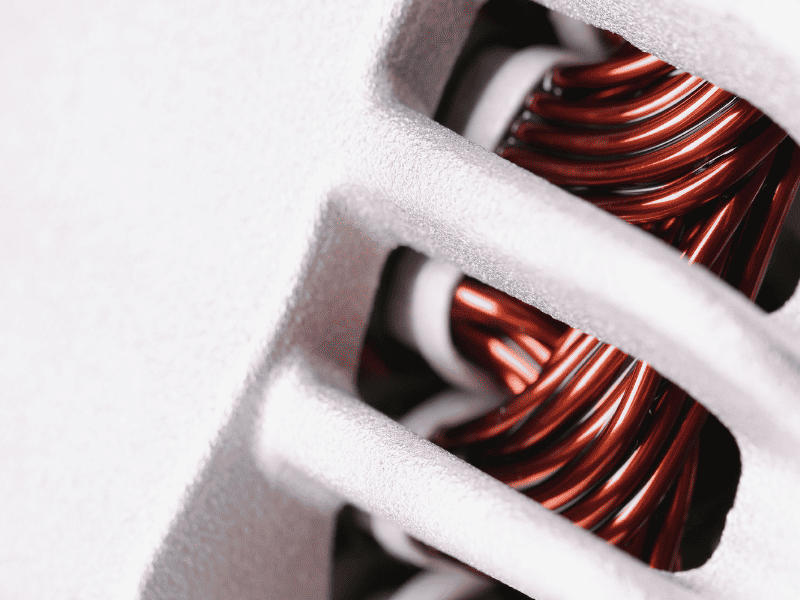
An exciter coil is an electromagnetic winding that generates the magnetic field required for a generator or alternator to produce electrical power.
The coil carries electrical current and creates a magnetic field that stimulates the generator’s magnetic circuit. This magnetic field interacts with rotating and stationary components within the generator to initiate and sustain electricity generation.
The primary purpose of an exciter coil is to establish and maintain the magnetic flux necessary for effective generator operation.
Common applications include:
- Industrial generators
- Alternators
- Portable generators
- Automotive charging systems
- Marine generators
- Standby power systems
- Power distribution equipment
Without a functioning exciter coil, a generator may struggle to build voltage or fail to produce electrical output altogether.
Why Is an Excitation Coil in Generator Systems Important?
An excitation coil in generator systems serves as the source of magnetic field generation.
Electricity generation depends on electromagnetic induction. For induction to occur, a magnetic field must be present. The excitation system provides this magnetic field and allows the generator to begin producing electrical energy.
Key benefits of a properly functioning excitation coil in generator applications include:
- Stable voltage generation
- Improved power quality
- Reliable startup performance
- Better system efficiency
- Enhanced operational stability
The excitation system essentially acts as the foundation upon which electrical generation takes place.
How Does an Excitation Coil in Generator Systems Support Voltage Generation?
Voltage generation requires a magnetic field that interacts with moving conductors.
The process works as follows:
- Current flows through the exciter coil.
- A magnetic field is produced.
- The magnetic field interacts with generator components.
- Electromagnetic induction occurs.
- Electrical voltage is generated.
The strength and stability of the magnetic field directly affect generator output and performance.
What Is the Exciter Coil Function?
Understanding the exciter coil function is essential for understanding generator operation.
The primary exciter coil function is to provide the magnetic field required for power generation.
However, modern generator systems depend on the exciter coil for several additional functions.
How Does the Exciter Coil Function Influence Generator Performance?
The exciter coil function affects multiple operating characteristics, including:
- Voltage regulation
- Generator efficiency
- Output stability
- Power quality
- Load handling capability
A properly functioning exciter system helps maintain consistent voltage levels even as electrical demand changes. ey reasons BLDC motors achieve higher efficiency than many conventional motor designs.
Why Is the Exciter Coil Function Critical During Startup?
Many generators rely on residual magnetism and excitation systems during startup.
The exciter coil helps:
- Establish the initial magnetic field
- Build generator voltage
- Stabilize electrical output
- Support normal operating conditions
Without adequate excitation, a generator may experience difficulty building or maintaining voltage.
How Does an Exciter Coil Generator System Work?
An exciter coil generator system combines the exciter winding with the generator’s magnetic and electrical components.
The excitation system provides magnetic energy, while the generator converts mechanical energy into electrical power.
What Happens Inside an Exciter Coil Generator?
The basic operating sequence includes:
- Mechanical energy drives the generator.
- The exciter coil generates a magnetic field.
- The magnetic field interacts with rotating components.
- Electromagnetic induction produces voltage.
- Electrical output is supplied to connected loads.
This interaction forms the basis of modern generator operation.
What Types of Exciter Coil Generator Systems Are Commonly Used?
Different generator designs use different excitation methods.
Common configurations include:
Static Excitation Systems
These systems provide excitation using electronic control systems.
Benefits include:
- Precise voltage control
- Fast response times
- Improved efficiency
Brushless Excitation Systems
Brushless systems eliminate mechanical brushes and use rotating excitation components.
Brushless systems eliminate mechanical brushes and use rotating excitation components.
Advantages include:
- Reduced maintenance
- Improved reliability
- Longer service life
Permanent Magnet Excitation Systems
These systems use permanent magnets to create initial magnetic fields.
Benefits include:
- Reliable startup performance
- Reduced dependency on external power
- Simple operating principles
The choice of excitation system depends on generator type, application, and operational requirements.
What Components Work With the Exciter Coil?
An exciter coil operates as part of a larger electrical generation system. .
How Does the Exciter Coil Interact With the Rotor?
The rotor is the rotating component of the generator.
The magnetic field created by the exciter coil interacts with the rotor and helps generate electrical output.
This interaction influences:
- Voltage generation
- Power output
- Generator efficiency
- System stability
The relationship between the exciter coil and rotor is essential for reliable operation.
How Does the Exciter Coil Work With the Stator?
The stator is the stationary component where electrical energy is typically generated.
The exciter-produced magnetic field interacts with the stator windings to create electrical voltage through electromagnetic induction.
Together, the rotor, stator, and exciter coil form the core of generator operation.
What Problems Can Affect an Exciter Coil?
Although exciter coils are designed for reliability, several operating conditions can affect performance.
What Causes Exciter Coil Failure?
Common causes include:
- Insulation breakdown
- Overheating
- Vibration damage
- Moisture contamination
- Wire degradation
- Excessive electrical stress
These issues can reduce magnetic field strength and negatively affect generator performance.
What Symptoms Indicate Exciter Coil Problems?
Potential warning signs include:
- Unstable voltage output
- Low generator voltage
- Difficulty starting generation
- Excessive heating
- Reduced efficiency
- Intermittent power generation
Early identification of these symptoms can prevent larger system failures.
How to Test Exciter Coil Performance?
One of the most common maintenance questions is how to test exciter coil condition and functionality.
Testing helps identify electrical faults before they affect generator performance.
How to Test Exciter Coil Performance?
Resistance testing is one of the most common diagnostic procedures.
Typically, technicians:
- Isolate the coil from the circuit
- Measure resistance using a multimeter
- Compare the reading against equipment specifications
- Identify open circuits or abnormal resistance values
Unexpected readings may indicate winding damage or insulation problems.
How to Test Exciter Coil Insulation?
Insulation testing helps verify that the winding insulation remains intact.
This process is used to identify:
- Moisture ingress
- Insulation degradation
- Leakage current paths
- Potential short circuits
Regular insulation testing helps improve equipment reliability and reduce operational risks.
Why Is Routine Exciter Coil Testing Important?
Routine testing provides several benefits:
- Early fault detection
- Improved system reliability
- Reduced downtime
- Better maintenance planning
- Enhanced operational safety
Understanding how to test exciter coil systems helps maintenance teams avoid unexpected failures and costly repairs.
What Factors Influence Exciter Coil Performance?
Several design and operational factors affect coil performance.
How Does Coil Design Impact Generator Efficiency?
The design of the exciter coil influences:
- Magnetic field strength
- Voltage stability
- Heat generation
- Energy efficiency
Proper winding design helps optimize overall generator performance.
Why Is Wire Quality Important for Exciter Coils?
High-quality winding wire contributes to:
- Better conductivity
- Reduced losses
- Improved thermal performance
- Greater reliability
Selecting the appropriate conductor and insulation materials is essential for long-term operation.
How Does Temperature Affect Exciter Coil Operation?
Temperature plays a significant role in winding performance.
Excessive heat can cause:
- Insulation deterioration
- Reduced efficiency
- Increased electrical resistance
- Premature failure
Effective thermal management helps maximize equipment lifespan.
Which Industries Use Exciter Coils?
Exciter coils are used across numerous industries where power generation and electromagnetic systems are critical.
How Are Exciter Coils Used in Industrial Power Generation?
Industrial generators use exciter coils to:
- Support continuous power generation
- Maintain voltage stability
- Improve system reliability
- Handle variable load conditions
Reliable excitation systems are essential for industrial operations that depend on uninterrupted power.
How Are Exciter Coils Used in Automotive and Marine Applications?
Applications include:
- Alternators
- Marine generators
- Auxiliary power systems
- Charging systems
In these environments, stable excitation contributes to dependable electrical performance.
How Can Engineers Improve Exciter Coil Reliability?
Improving exciter coil reliability requires a combination of good design and maintenance practices.
What Best Practices Improve Exciter Coil Performance?
Engineers and operators can improve performance by:
- Using high-quality winding materials.
- Maintaining proper insulation systems.
- Managing operating temperatures.
- Conducting routine inspections.
- Performing scheduled electrical testing.
- Monitoring voltage performance regularly.
These practices help maximize operational life and reduce maintenance costs.
Conclusion
The exciter coil is one of the most important components in generator and alternator systems. By generating the magnetic field necessary for electromagnetic induction, it enables stable and efficient electricity generation across a wide range of applications.
Understanding the role of the excitation coil in generator systems, the exciter coil function, the operation of an exciter coil generator, and how to test exciter coil condition allows engineers and maintenance teams to improve reliability, efficiency, and long-term equipment performance.
At Synthesis Winding Technologies, we combine decades of expertise in precision coil winding, automated winding technology, and specialized winding solutions for power generation and industrial applications. Our engineering-driven approach helps manufacturers produce high-quality coils that deliver reliability, performance, and consistency.
Looking for advanced winding solutions for exciter coils and power generation applications? Contact Synthesis Winding Technologies today to explore precision winding technologies designed for demanding industrial requirements.
FAQs
What is an exciter coil?
An exciter coil is an electromagnetic winding that generates the magnetic field required for a generator or alternator to produce electrical power.
What is the excitation coil in generator systems?
The excitation coil in generator systems creates the magnetic field necessary for voltage generation through electromagnetic induction.
What is the exciter coil function?
The primary exciter coil function is to generate and maintain the magnetic field required for stable electrical power generation.
How does an exciter coil generator work?
An exciter coil generator uses the magnetic field produced by the exciter coil to support electromagnetic induction and electrical output generation.
How to test exciter coil resistance?
Testing generally involves measuring the winding resistance and comparing it against equipment specifications to identify abnormalities.
How often should exciter coils be tested?
Testing frequency varies by application, operating conditions, and maintenance schedules, but routine inspections are recommended to ensure reliability.
What causes exciter coil failure?
Common causes include insulation breakdown, overheating, vibration, moisture contamination, and electrical stress.