
Motor Winding: A Complete Guide to Electric Motor Winding, Types, Processes, and Manufacturing Technology
Electric motors power modern industry. From electric vehicles and industrial automation systems to HVAC units, household appliances, robotics, and renewable energy equipment, motors are at the heart of countless applications. However, one critical component largely determines how efficiently and reliably a motor performs: the motor winding.
The winding is responsible for generating the electromagnetic field that produces motion. The quality, arrangement, and precision of the winding directly affect motor efficiency, torque output, heat generation, and overall lifespan. As motors become more specialized and performance expectations continue to rise, manufacturers are placing greater emphasis on advanced winding technologies and automation.
Whether you want to understand electric motor winding, explore different types of motor windings, learn how a motor winding machine works, or understand the role of a motor winder in manufacturing, this guide covers everything you need to know. The definition and function of motor winding revolve around insulated conductors that generate the magnetic field required to drive motor operation. [baumueller.com], [itg-motor.com], [engineerfix.com]
What Is Motor Winding?
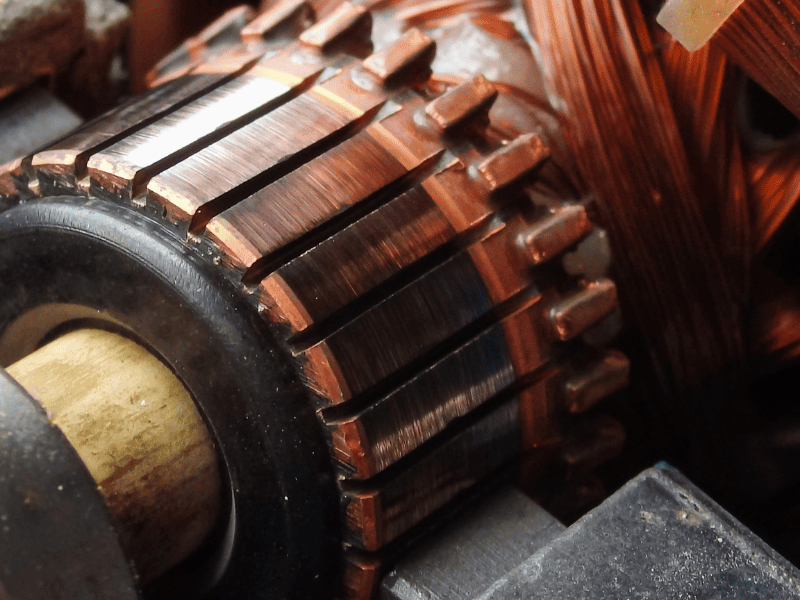
Motor winding refers to the arrangement of insulated conductive wire, typically copper or aluminum, wound around specific parts of an electric motor to create magnetic fields.
When electrical current flows through the winding, it generates an electromagnetic field that interacts with the motor’s magnetic components and produces rotational motion. Motor winding is therefore the mechanism that converts electrical energy into mechanical energy. [baumueller.com], [itg-motor.com], [engineerfix.com]
A well-designed motor winding influences:
- Motor efficiency
- Torque generation
- Power output
- Heat dissipation
- Energy consumption
- Operational reliability
- Equipment lifespan
Without properly engineered motor windings, motors can suffer from excessive heat, reduced efficiency, vibration issues, and premature failure.
Why Is Motor Winding Important for Motor Performance?
The winding determines how effectively a motor generates and controls its magnetic field.
Key benefits of high-quality motor winding include:
- Improved efficiency: Proper winding reduces energy losses during operation.
- Higher torque output: Optimized winding configurations improve force generation.
- Better thermal management: Properly designed coils help reduce overheating.
- Longer operating life: Consistent winding quality improves durability.
- Enhanced reliability: Stable electromagnetic performance supports smooth operation.
The winding is often considered the heart of an electric motor because its quality directly affects overall motor performance. [itg-motor.com], [mosrac.com], [baumueller.com]
What Is Electric Motor Winding?
Electric motor winding refers specifically to the winding system used within electric motors to create the electromagnetic fields required for rotation.
The basic principle of electric motor winding is based on electromagnetism. When current flows through a conductor, it creates a magnetic field around that conductor. Arranging multiple conductors in coil formations amplifies this effect and allows the motor to generate motion.
The effectiveness of electric motor winding depends on:
- Number of wire turns
- Wire diameter
- Coil geometry
- Winding pattern
- Current flow
- Slot configuration
Accurate winding ensures balanced magnetic fields and consistent motor performance. [Electric M…r Winding1 | Word], [itg-motor.com]
How Does Electric Motor Winding Create Motion?
The process works through magnetic interaction.
When current flows through the winding:
- A magnetic field forms around the conductor.
- Multiple wound coils create stronger electromagnetic forces.
- These fields interact with permanent magnets or other windings.
- Electromagnetic force generates torque.
- The rotor begins to rotate.
The efficiency of this conversion process largely depends on the quality of the electric motor winding configuration. [itg-motor.com], [Electric M…r Winding1 | Word]
What Are the Different Types of Motor Windings?
Different motor applications require different winding configurations. The selection depends on operating requirements such as speed, torque, voltage, and efficiency.
What Is Stator Winding?
Stator winding is located within the stationary portion of the motor known as the stator.
Its primary purpose is to generate the rotating magnetic field required for motor operation.
Characteristics include:
- Common in AC and DC motors
- Produces the primary magnetic field
- Supports efficient operation
- Widely used in industrial applications
Most modern electric motor winding systems rely heavily on stator winding configurations. [Electric M…r Winding1 | Word], [itg-motor.com]
What Is Rotor Winding?
Rotor winding is located on the rotating component of the motor.
Its role is to interact with the magnetic field generated by the stator.
Benefits include:
- Supports torque production
- Enables controlled motor operation
- Common in certain induction and synchronous motors
- Helps improve performance under varying loads
Rotor and stator windings work together to create the motor’s magnetic interaction. [itg-motor.com], [mosrac.com]
What Is Lap Winding?
Lap winding is commonly used in DC motors where coil ends connect to adjacent commutator segments.
Advantages include:
- High current-carrying capacity
- Reliable operation
- Suitable for lower-voltage applications
- Effective under heavy-load conditions
Because of its current-handling capability, lap winding is often used in demanding industrial applications. [Electric M…r Winding1 | Word]
What Is Wave Winding?
Wave winding connects coils in a wave-like sequence around the armature.
Benefits include:
- Higher voltage generation
- Reduced conductor requirements
- Improved efficiency in specific applications
- Suitable for higher-voltage systems
Wave winding is often selected when voltage requirements are more important than current capacity. [Electric M…r Winding1 | Word]
What Is the Motor Winding Process?
Producing consistent motor winding requires a carefully controlled manufacturing process.
How Are Motor Coils Formed?
The first step involves creating coils using specialized winding equipment.
During this stage:
- Wire is fed from a spool
- Tension is controlled
- Coils are shaped accurately
- Turn counts are monitored
Consistent coil geometry is essential for achieving predictable motor performance. [Electric M…r Winding1 | Word], [Electric M…ng Machine | Word]
How Are Motor Windings Inserted Into the Motor?
After coils are formed, they must be positioned within the motor structure.
This process involves:
- Slot insulation preparation
- Coil insertion
- Wire routing
- Terminal connections
Precision is critical because improper placement can negatively affect performance and reliability. [Electric M…r Winding1 | Word], [Electric M…ng Machine | Word]
How Is Winding Quality Tested?
Before final assembly, motor windings undergo testing to verify quality.
Common tests include:
- Resistance testing
- Insulation testing
- Continuity testing
- Surge testing
- High-voltage testing
These checks help prevent failures and ensure long-term motor reliability. [Electric M…r Winding1 | Word]
What Is a Motor Winder?
A motor winder is a technician, specialist, or system responsible for creating, repairing, or maintaining motor windings.
Historically, a motor winder manually wound coils and repaired damaged motors. Today, the term may also refer to professionals who operate advanced winding systems and oversee winding quality.
Responsibilities typically include:
- Winding coil preparation
- Motor rewinding
- Quality verification
- Motor repair
- Process setup and optimization
Even as automation increases, skilled motor winder expertise remains important for troubleshooting and quality assurance.
Why Are Skilled Motor Winders Important?
A qualified motor winder helps ensure:
- Accurate winding patterns
- Proper insulation integrity
- Consistent coil geometry
- Reliable motor performance
- Reduced production defects
The experience of a skilled motor winder can significantly influence motor quality and lifespan.
What Is a Motor Winding Machine?
A motor winding machine is specialized equipment designed to automate and optimize the winding process.
Modern machines control wire feeding, tension, coil formation, turn counting, and quality monitoring to produce consistent windings.
The primary functions of a motor winding machine include:
- Wire feeding
- Tension control
- Coil creation
- Turn counting
- Wire cutting
- Process monitoring
Automated winding technology helps manufacturers achieve higher productivity while maintaining quality. [Electric M…r Winding1 | Word], [Electric M…ng Machine | Word]
What Types of Motor Winding Machines Are Available?
Different manufacturing requirements call for different machine technologies.
Coil Winding Machines
A coil winding machine creates precise wound coils for motors and electrical equipment.
Benefits include:
- Accurate turn control
- Uniform coil geometry
- Faster production
- Improved repeatability
Needle Winding Machines
Needle winding machines guide wire directly through stator slots.
Advantages include:
- High precision
- Excellent slot-fill performance
- Compact motor compatibility
- Reduced wire damage
Flyer Winding Machines
Flyer winding systems wrap wire using a rotating flyer arm.
Benefits include:
- High-speed production
- Consistent winding quality
- Suitable for larger motors
Automatic Motor Winding Machines
Fully automated systems often include:
- Programmable winding patterns
- Real-time monitoring
- Automatic wire loading
- Quality inspection systems
- Production data collection
These advanced solutions are becoming increasingly common across modern manufacturing facilities. [Electric M…r Winding1 | Word], [Electric M…ng Machine | Word]
Which Industries Use Motor Winding Technology?
Demand for motor winding spans multiple industries.
How Is Motor Winding Used in Electric Vehicle Manufacturing?
EV motors demand:
- High slot-fill ratios
- Precision winding patterns
- Tight manufacturing tolerances
Advanced motor winding machine systems help support these demanding requirements. [Electric M…or Winding | Word], [Electric M…ng Machine | Word]
How Is Motor Winding Used in Industrial Applications?
Industrial motors power:
- Pumps
- Compressors
- Conveyors
- Automation systems
Reliable motor windings are critical for continuous operation and long service life. [Electric M…or Winding | Word], [Electric M…r Winding1 | Word]
How Is Motor Winding Used in HVAC and Appliances?
HVAC systems and appliances rely on motors for:
- Fans
- Compressors
- Blowers
- Refrigeration systems
Precise winding helps improve energy efficiency and reduce operational noise. [Electric M…or Winding | Word]
How Can Manufacturers Improve Motor Winding Quality?
Consistent quality requires attention throughout the manufacturing process.
What Best Practices Improve Motor Winding Performance?
Manufacturers should focus on:
- Proper wire tension control
- Accurate coil placement
- Appropriate insulation techniques
- Automated quality monitoring
- Regular equipment maintenance
- Operator training
These practices help improve consistency and reduce failure risks.
Why Is Automation Transforming Motor Winding?
Automation helps manufacturers achieve:
- Faster production
- Reduced scrap rates
- Higher repeatability
- Improved process control
- Better product quality
As production demands increase, advanced motor winding machines continue to play a growing role in modern motor manufacturing. [Electric M…ng Machine | Word], [Electric M…or Winding | Word]
Conclusion
Motor winding is one of the most critical aspects of electric motor design and manufacturing. From generating electromagnetic fields to influencing torque, efficiency, and reliability, the quality of the winding directly impacts motor performance.
Whether discussing electric motor winding, different types of motor windings, the role of a skilled motor winder, or the capabilities of a modern motor winding machine, the objective remains the same: producing motors that operate efficiently, reliably, and consistently.
At Synthesis Winding Technologies, we combine decades of expertise in motor winding automation, winding process engineering, and advanced manufacturing technologies to help manufacturers build high-performance motors for EV, industrial, HVAC, appliance, and automation applications.
Looking to improve your motor winding process or invest in advanced motor winding machine technology? Contact Synthesis Winding Technologies today to discover how our winding solutions can help enhance productivity, quality, and motor performance.
FAQs
What is motor winding?
Motor winding refers to the arrangement of insulated conductive wire in a motor that generates the magnetic field required for rotation.
What is electric motor winding?
Electric motor winding is the process and configuration of winding wire within an electric motor to create electromagnetic fields that produce motion.
What are the main types of motor windings?
The main types include stator winding, rotor winding, lap winding, and wave winding.
What does a motor winder do?
A motor winder creates, repairs, inspects, and maintains motor windings to ensure efficient motor operation.
What is a motor winding machine?
A motor winding machine is specialized equipment used to automate coil formation, wire placement, tension control, and winding production.
Which industries use motor winding technology?
Electric vehicles, industrial automation, HVAC, appliance manufacturing, robotics, renewable energy, and aerospace industries all rely on motor winding technology.
Why is motor winding important?
Motor winding directly impacts motor efficiency, torque output, energy consumption, thermal performance, and overall reliability.