

Table of Contents
ToggleStator: A Complete Guide to Motor Stators, Stator Windings, Design, and Applications for 2026
Electric motors are responsible for powering modern industry, from manufacturing equipment and electric vehicles to household appliances and industrial automation systems. While the rotor often receives attention because it rotates and produces motion, the real foundation of motor operation lies in the stator.
The stator is the stationary component that generates the magnetic field necessary for motor operation. Without it, motors would be unable to convert electrical energy into mechanical motion. Whether discussing stator winding, the role of a motor stator, or the differences between a dc motor stator and an AC motor stator, understanding this component is essential for engineers, manufacturers, and maintenance professionals.
This guide explores what is a stator, its construction, working principles, applications, and importance in modern electrical machines.
What Is a Stator?
A stator is the stationary part of an electric motor, generator, or alternator that houses the windings and helps create the magnetic field required for operation.
The word “stator” is derived from the concept of remaining stationary, unlike the rotor, which rotates during operation.
The stator serves as the structural and electromagnetic foundation of a motor and is typically composed of:
- Stator core
- Stator winding
- Insulation systems
- Housing structure
A common stator definition is:
The stationary electromagnetic component of a motor or generator that produces or supports the magnetic field required for energy conversion.
Why Is the Stator Important?
The stator plays a critical role in motor operation because it:
- Generates magnetic fields
- Supports energy conversion
- Houses electrical windings
- Determines motor efficiency
- Influences torque production
- Helps regulate motor performance
The quality of the stator directly affects how efficiently a motor operates.
What Does a Motor Stator Do?
A motor stator generates a magnetic field when electrical current flows through its windings.
The process typically works as follows:
- Electrical power enters the stator winding.
- A magnetic field is generated.
- The magnetic field interacts with the rotor.
- Electromagnetic force develops.
- The rotor begins rotating.
- Mechanical motion is produced.
Although the stator itself does not move, it provides the electromagnetic force that drives motor operation.
What Happens if the Stator Fails?
A damaged stator can result in:
- Reduced efficiency
- Motor overheating
- Loss of torque
- Electrical faults
- Complete motor failure
This is why stator quality and winding precision are so important in motor manufacturing.
What Is Stator Winding?
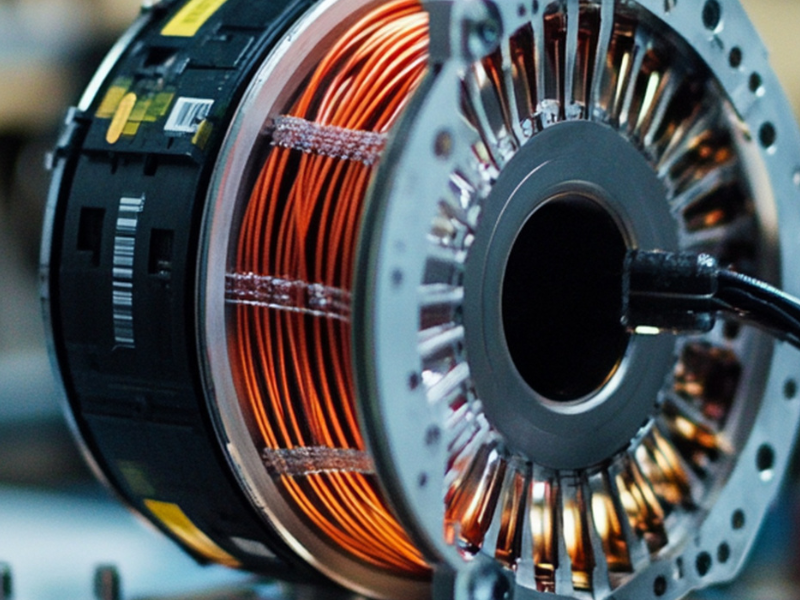
Stator winding refers to the insulated conductors placed inside stator slots to generate electromagnetic fields.
The winding is one of the most important parts of the stator because it controls:
- Magnetic field generation
- Torque production
- Speed characteristics
- Energy efficiency
The arrangement of stator windings significantly influences motor performance.
How Does Stator Winding Work?
When current passes through the winding:
- Magnetic fields are generated around the conductors.
- These fields combine to create a rotating magnetic field.
- The rotor interacts with this field.
- Mechanical rotation occurs.
The precision of the winding directly impacts motor reliability and efficiency.
Why Is Stator Winding Precision Important?
Accurate winding helps ensure:
- Consistent magnetic fields
- Better efficiency
- Reduced heat generation
- Improved motor lifespan
- Better torque characteristics
This is why advanced winding technologies have become essential for modern motor manufacturing.
What Components Make Up a Stator?
What Is the Stator Core?
The stator core forms the magnetic pathway of the motor.
It is typically constructed from laminated electrical steel sheets designed to:
- Reduce energy losses
- Improve magnetic performance
- Increase efficiency
The laminated structure helps minimize eddy current losses and heat generation.
What Are Stator Slots?
Stator slots are grooves located within the stator core.
Their purpose is to:
- Hold winding conductors
- Support insulation systems
- Maintain winding positioning
The design of the slots influences winding efficiency and magnetic field distribution.
What Is the Housing of the Stator?
The outer housing protects internal stator components and provides structural support.
Functions include:
- Mechanical stability
- Heat dissipation
- Environmental protection
The housing contributes to overall motor durability and performance.
What Is a Stator Diagram?
A stator diagram is a visual representation of the stator structure and winding arrangement.
It typically illustrates:
- Stator core
- Slot locations
- Winding configuration
- Electrical connections
- Magnetic field paths
Engineers use stator diagrams during design, manufacturing, maintenance, and troubleshooting.
Why Is a Stator Diagram Important?
A stator diagram helps:
- Understand motor construction
- Identify winding layouts
- Support manufacturing processes
- Simplify maintenance procedures
- Improve troubleshooting accuracy
It serves as a technical reference throughout the motor lifecycle.
What Is the Difference Between a Rotor and a Stator?
How Does the Stator Compare to the Rotor?
| Component | Stator | Rotor |
|---|---|---|
| Position | Stationary | Rotating |
| Main Function | Creates or supports magnetic field | Produces motion |
| Contains Windings | Often yes | Depends on motor type |
| Energy Conversion Role | Generates electromagnetic force | Converts force into rotation |
Both components work together to create mechanical motion.
Why Must the Rotor and Stator Work Together?
The interaction between the rotor and stator enables:
- Torque generation
- Motion control
- Energy conversion
- Efficient motor operation
Neither component can perform its function independently.
What Is a DC Motor Stator?
In a dc motor stator, the stator provides the primary magnetic field that interacts with the armature.
Depending on the motor design, the field may be produced using:
- Permanent magnets
- Field windings
The dc motor stator remains stationary while the armature rotates within the magnetic field.
How Does the DC Motor Stator Differ from AC Motor Stators?
In many AC motors:
- The stator creates a rotating magnetic field.
In many DC motors:
- The stator often provides a fixed magnetic field.
This distinction influences motor behavior and control characteristics.
What Is the Relationship Between DC Machine Stator and Armature?
A dc machine stator generates magnetic flux, while the armature carries current.
Together they:
- Produce torque
- Enable energy conversion
- Determine machine performance
This interaction forms the basis of DC machine operation.
What Types of Stators Are Used in Modern Motors?
Laminated Stator
A laminated stator uses electrical steel laminations stacked together to form the magnetic core.
Benefits include:
- Lower losses
- Better efficiency
- Reduced heating
Most modern motors use laminated stators.
Permanent Magnet Motor Stator
In permanent magnet motors:
- The stator usually contains windings.
- The rotor contains permanent magnets.
These motors are commonly found in:
- Electric vehicles
- Robotics
- Industrial automation
BLDC Motor Stator
A BLDC motor stator contains precision windings arranged to work with electronically controlled magnetic fields.
Benefits include:
- High efficiency
- Reduced maintenance
- Better speed control
BLDC motors are widely used in modern industrial and consumer applications.
What Industries Use Motor Stators?
Electric Vehicles
EV motors rely heavily on high-performance stators.
Benefits include:
- Improved efficiency
- Higher torque density
- Better power output
- Increased driving range
As EV production grows, demand for advanced stator manufacturing continues to increase.
Industrial Equipment
Industrial motors power:
- Pumps
- Compressors
- Conveyors
- Automation systems
Reliable stators help maintain productivity and operational efficiency.
Consumer Appliances
Common applications include:
- Washing machines
- Air conditioners
- Refrigerators
- Fans
- Power tools
The stator plays a significant role in ensuring reliable operation.
How Does Modern Stator Manufacturing Improve Motor Performance?
Why Is Precision Winding Critical?
Precision winding helps achieve:
- Uniform magnetic fields
- Consistent quality
- Improved efficiency
- Better thermal performance
Advanced winding systems enable manufacturers to produce high-performance motors at scale.
How Does Automation Improve Stator Production?
Modern winding automation provides:
- Greater accuracy
- Faster production
- Reduced defects
- Improved repeatability
These benefits are increasingly important as industries demand more efficient and reliable motors.
Conclusion
The stator is one of the most important components in any electric motor. Whether discussing a motor stator, stator winding, a dc motor stator, or a dc machine stator, its role remains the same: generating the magnetic field that makes motor operation possible.
Understanding what is a stator, how stator windings work, and the importance of precise stator manufacturing helps engineers build more efficient, reliable, and high-performing electrical machines.
At Synthesis Winding Technologies, we specialize in advanced stator winding solutions, winding automation, and precision motor manufacturing technologies. Our expertise helps manufacturers improve winding quality, increase production efficiency, and meet the growing demands of modern motor applications.
Looking to optimize your stator manufacturing process? Contact Synthesis Winding Technologies to explore advanced winding solutions designed for next-generation motor production.
FAQs
What is a stator?
A stator is the stationary component of an electric motor or generator that generates or supports the magnetic field required for operation.
What is stator winding?
Stator winding refers to the insulated conductors placed inside the stator core to generate magnetic fields that drive motor operation.
What does a motor stator do?
A motor stator creates the magnetic field that interacts with the rotor to produce rotational movement.
What is a stator diagram?
A stator diagram is a technical illustration that shows the construction, slots, winding arrangement, and electrical connections of a stator.
What is a dc motor stator?
A dc motor stator is the stationary component that provides the magnetic field used by the armature to generate torque.
What is the difference between a stator and a rotor?
The stator remains stationary and generates the magnetic field, while the rotor rotates and converts electromagnetic force into mechanical motion.
Why is stator winding quality important?
High-quality stator winding improves efficiency, reduces losses, increases motor reliability, and enhances overall performance.