
Transform Your Manufacturing Output: The Complete Guide to Automatic Winding Machines
Introduction
Manufacturing industries today are under constant pressure to increase efficiency, reduce labor dependency, and maintain consistent product quality. Manufacturers are caught between rising labor costs and the uncompromising demand for perfect product consistency. At the center of this transformation is the automatic winding machine, a cornerstone technology that has redefined what is possible in precision manufacturing.
From electrical coil manufacturing to textile production, automatic winding solutions help manufacturers achieve precision, speed, and scalability. Whether you are winding delicate copper wire for high-efficiency motors or high-speed fibers for textiles, automated solutions eliminate the variables of human error.
This guide breaks down the mechanics and strategic benefits of these systems, offering a roadmap for those looking to bridge the gap between manual limitations and scalable, high-speed output.
Understanding Automatic Winding Machines: What Exactly Is an Automatic Winding Machine?
An automatic winding machine is an industrial machine designed to wind materials such as wire, yarn, cable, or fiber onto a spool, bobbin, or coil automatically. These machines eliminate the need for extensive manual handling while ensuring accurate winding patterns and consistent tension.
Manufacturers use automatic winding machines in industries such as:
- Electrical equipment manufacturing
- Textile production
- Transformer and motor manufacturing
- Electronics assembly
- Cable and wire processing
By automating the winding process, companies can significantly reduce production errors and improve overall operational efficiency. They significantly reduce human error while increasing production output.
Choosing the Right Winding Solution: Types of Automatic Winding Machines
Different production needs require different machine configurations. Below are the most common systems used across industries.
1. Automatic Bobbin Winder Machine
An automatic bobbin winder machine is used to wind wire onto bobbins for transformers, inductors, and small motors. These systems often feature:
- Digital turn counting
- Precision tension control
- Layer winding capability
- Quick changeover functions
They are ideal for manufacturers requiring medium to high production volumes with consistent quality.
2. Automatic Wire Winding Spool Machine
An automatic wire winding spool machine is designed for winding wire onto larger spools for storage or secondary processing.
These machines are commonly used in:
- Cable manufacturing
- Wire harness production
- Electrical component fabrication
Features typically include automatic wire guiding systems and programmable winding patterns to ensure even layering.
3. Semi-Automatic Coil Winding Machines
For businesses transitioning toward automation, semi-automatic coil winding machines offer a cost-effective intermediate solution.
These systems combine automated winding mechanisms with partial operator control. They are suitable for:
- Small batch production
- Custom coil manufacturing
- Prototyping environments
While they provide greater efficiency than manual systems, they still require more operator involvement compared to fully automatic machines.
4. Fully Automatic Coil Winding Machines
Fully automated solutions integrate:
- CNC controls
- Multi-axis servo systems
- Automatic loading/unloading
- Real-time monitoring
These machines are ideal for high-volume production lines where consistency and speed are paramount.
Industry Insights: Real-World Applications of Automatic Winding Technology
- Electrical Manufacturing
From transformer coils to motor windings, automated systems ensure electrical consistency and performance reliability. - Textile Production
Thread, yarn, and fiber winding with perfect tension control for downstream processing efficiency. - Cable & Wire Industry
High speed spooling for telecommunications, automotive, and construction applications. - Electronics Assembly
Precision winding for inductors, solenoids, and specialized components requiring exact specifications. - Medical Device Manufacturing
Ultra-precise winding for catheter guide wires and specialized medical components.
Why Manufacturers Are Shifting to Automatic Winding Machines
Manual winding processes often restrict production output and result in inconsistencies across batches. Even highly skilled operators can face challenges such as uneven winding tension, misalignment, slower production rates, and increased material waste. By transitioning to an automatic winding machine, manufacturers can overcome these limitations and unlock measurable performance gains.
Automated systems operate continuously with programmable cycle times, significantly boosting throughput and production speed. Advanced motion control technologies ensure uniform coil density and precise wire placement, which is essential for high-performance electrical components. Automation also reduces labor dependency, freeing skilled operators to focus on quality oversight rather than repetitive tasks. In addition, integrated sensors and digital control systems provide real-time monitoring of winding tension and positioning, enabling consistently high-quality results.
The Hidden Cost of Manual Winding in Modern Manufacturing
Every minute counts in manufacturing. When your team spends hours manually winding coils, managing tension by hand, or fixing inconsistent output, you’re not just losing time; you’re losing competitive advantage.
As order volumes grow and quality standards tighten, these seemingly small inefficiencies compound into major bottlenecks that limit your capacity to scale.
Smart manufacturers are discovering that automation isn’t about cutting jobs; it’s about amplifying human capability. By automating repetitive winding tasks, you free your skilled workers to focus on quality control, process optimization, and customer satisfaction.
The result? More predictable production, fewer defects, and the ability to confidently accept larger orders.
Performance Comparison: Manual vs. Automatic
| Performance Metric | Manual Winding | Automatic Winding Machine |
| Production Speed | Variable, operator-dependent | Consistent high-speed operation |
| Quality Consistency | Fluctuates with operator skill | Uniform across all production |
| Labor Intensity | Continuous operator presence required | Minimal supervision needed |
| Scalability | Linear with workforce size | Exponential with minimal added labor |
| Training Requirements | Extensive skill development needed | Basic operation training sufficient |
The Strategic Impact on Your Business: Beyond Speed and Efficiency
Implementing automatic winding technology offers much more than faster production. It creates a multiplier effect that strengthens every part of your operation. With each coil, bobbin, or spool produced to exact specifications, you achieve consistent quality that builds customer trust and reduces warranty claims.
Precise tension control and pattern accuracy to minimize material waste, improve profitability, and sustainability. As demand increases, automation allows you to scale production without added complexity or workforce strain. The result is a streamlined, agile manufacturing process that ensures faster turnaround times, higher quality, and a stronger market position.
Modern Innovations Shaping Automatic Winding Technology
Today’s automatic winding machines incorporate cutting-edge features that would have seemed impossible a decade ago. Industry 4.0 integration now enables seamless ERP connectivity and IoT-enabled monitoring, allowing for real-time data tracking and predictive maintenance alerts that fundamentally reshape industrial operations.
According to McKinsey’s 2025 manufacturing report, companies implementing smart automation see average efficiency gains of 20-30% within the first year.
Automation is no longer just about speed; it is about intelligent manufacturing. By integrating these advanced capabilities, manufacturers can drastically reduce downtime, optimize performance, and track precise production metrics to improve overall equipment effectiveness (OEE) across the production floor.
Making the Investment Decision: Understanding the Full Value
While the initial investment in automatic winding equipment requires careful consideration, the returns typically justify the expense:
- Labor savings: Reduce operator requirements by 60-80%
- Quality improvements: Cut defect rates by up to 90%
- Speed increases: Boost production rates by 3-5x
- Material savings: Reduce waste by 15-25%
Most manufacturers report full ROI within 12-18 months, with benefits continuing for years.
Selecting the Right Manufacturing Partner
Your equipment supplier should be more than a vendor—they should be a growth partner. Look for manufacturers who:
- Understand your specific industry challenges
- Offer comprehensive training and support
- Provide scalable solutions that grow with you
- Maintain readily available spare parts
- Offer flexible financing options
Taking the Next Step
If inconsistent winding quality, limited production capacity, or high labor costs are constraining your growth, automatic winding technology offers a proven path forward. The question isn’t whether to automate, but how quickly you can implement the right solution.
Synthesis Winding Technologies Pvt Ltd specializes in designing and delivering winding solutions that match your exact production requirements.
From automatic multispindle winding machines designed for high-speed, high-volume output to automatic stator winding machines built for superior consistency and reliability, Synthesis helps manufacturers eliminate bottlenecks and scale with confidence.
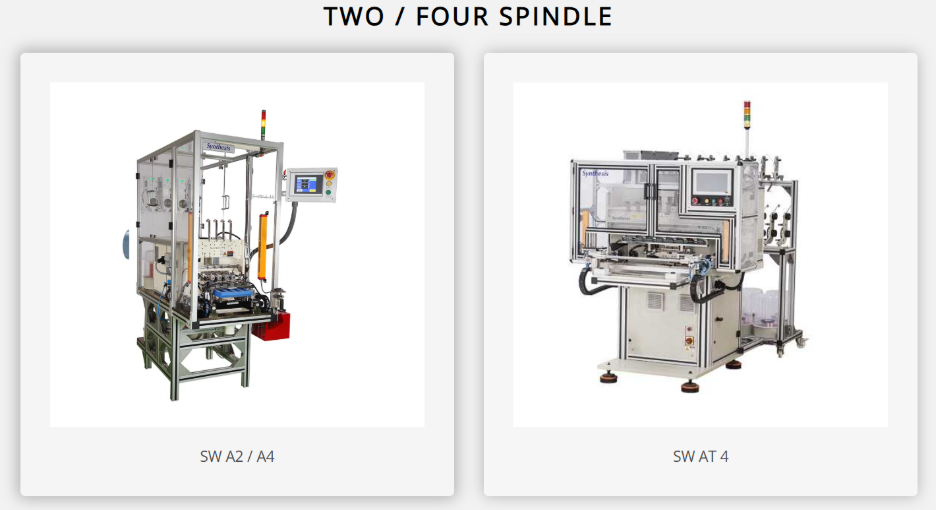
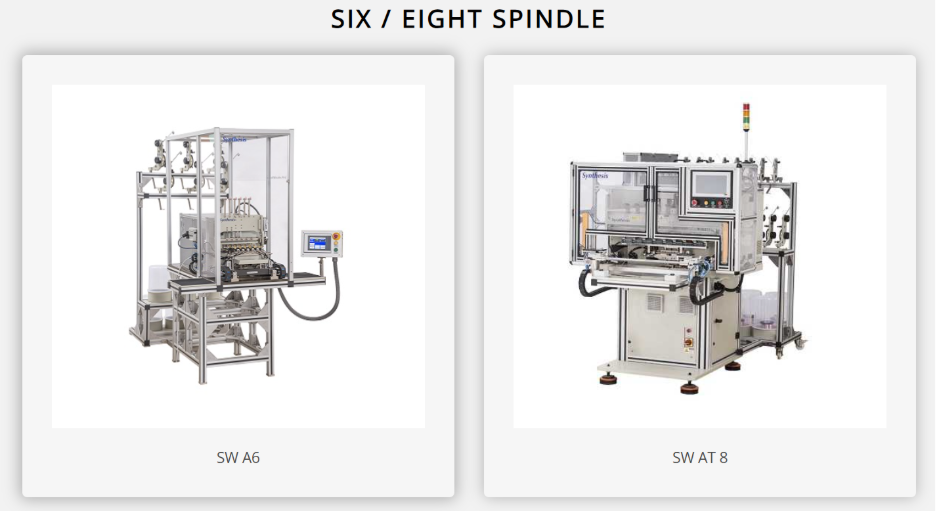
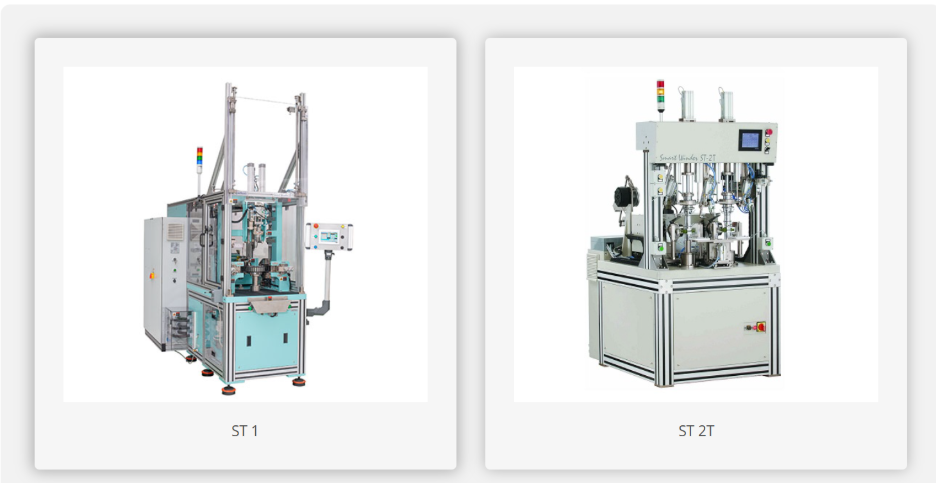
Whether you’re investing in semi-automatic systems to support a growing operation or deploying fully automated production lines for large-scale manufacturing, Synthesis partners with you every step of the way, helping you build sustainable, long-term competitive advantages through smart automation.
Conclusion: Transforming Your Manufacturing Output
The demand for precision electrical components continues to grow across industries. Upgrading to an automatic coil winding machine is not simply a machinery investment — it is a strategic move toward:
- Higher efficiency
- Greater consistency
- Reduced production risk
- Scalable manufacturing growth
Whether you are exploring an automatic bobbin winder machine, an automatic wire winding spool machine, or transitioning from semi-automatic coil winding machines, automation offers measurable improvements in productivity and quality.
If you are ready to strengthen your coil manufacturing capabilities, now is the right time to explore advanced automatic winding solutions tailored to your production goals.
Get in touch with our team today!
Frequently Asked Questions
Q: Can small manufacturers benefit from automatic winding machines?
A: Absolutely. Even low-volume producers see significant benefits from consistent quality and reduced labor dependency.
Q: How flexible are automatic winding machines for different products?
A: Modern machines offer quick-change tooling and programmable settings for multiple product types.
Q: What training do operators need?
A: Most operators become proficient within 2-3 days of hands-on training with user-friendly interfaces.
Q: When can I expect to see return on investment?
A: Typically, 12-18 months, though high-volume operations often see returns within 6-9 months.
Q: Are automatic winding machines safe?
A: Yes, with built-in safety features including emergency stops, protective guards, and sensor-based shutoffs.
Q: Can I upgrade from semi-automatic to fully automatic later?
A: Many systems are designed with modular upgrades in mind, allowing phased automation implementation.