

Table of Contents
ToggleTransformer Insulation: A Complete Guide to Insulation in Transformers, Insulation Classes, Materials, and Performance
Transformers are designed to operate safely and efficiently while handling high voltages, heavy electrical loads, and continuous operating cycles. While windings and cores are often considered the most important components, the reliability and lifespan of a transformer largely depend on one critical element: transformer insulation.
Without proper insulation, transformers would experience electrical breakdowns, short circuits, overheating, and premature failure. Effective insulation systems protect conductors, separate electrical components, manage thermal stress, and ensure long-term operational reliability.
Whether you’re looking to understand insulation in transformer systems, the role of a transformer insulator, insulation classes, or the materials used in modern transformers, this guide covers everything you need to know.
What Is Transformer Insulation?
Transformer insulation refers to the collection of materials and systems used to electrically isolate transformer components while protecting them from voltage stress, heat, moisture, and environmental conditions.
The primary purpose of insulation is to prevent unwanted current flow between conductive parts operating at different electrical potentials.
A transformer insulation system typically protects:
- Windings
- Core components
- Conductors
- Connections
- Structural elements
Without insulation, transformers would not be able to operate safely or efficiently.
Why Is Transformer Insulation Important?
Proper insulation of transformer systems performs several critical functions:
- Prevents electrical short circuits
- Protects against dielectric breakdown
- Improves operational safety
- Extends transformer lifespan
- Improves reliability
- Supports thermal management
Because insulation directly affects both performance and durability, it is often considered one of the most important aspects of transformer design.
Why Is Insulation Required in Transformers?
How Does Insulation Prevent Electrical Failure?
Transformers often contain conductors operating at vastly different voltage levels.
The insulation system helps:
- Separate conductors electrically
- Prevent arcing
- Maintain dielectric strength
- Minimize electrical leakage
This allows the transformer to transfer energy safely and efficiently.
How Does Insulation Improve Transformer Reliability?
A properly designed insulator in transformer systems helps reduce the risk of:
- Winding failures
- Flashovers
- Partial discharges
- Electrical breakdowns
As a result, the transformer can operate reliably for many years under demanding conditions.
What Are the Main Functions of Transformer Insulation?
Electrical Isolation
The primary role of insulation in transformer applications is electrical separation.
This isolation prevents direct electrical contact between:
- Primary and secondary windings
- Adjacent winding turns
- Windings and core structures
- Conductors and grounded components
Thermal Protection
Transformer insulation must also tolerate elevated temperatures.
Good insulation systems help:
- Maintain dielectric properties
- Resist thermal degradation
- Support continuous operation
Thermal performance is critical because high temperatures can accelerate insulation aging.
Mechanical Support
Insulation materials often provide structural support by:
- Maintaining winding positioning
- Preventing conductor movement
- Supporting mechanical integrity during operation
This is particularly important during short-circuit conditions where electromagnetic forces can become significant.
What Materials Are Used in Transformer Insulation?
Several solid materials are used throughout transformer construction.
Common examples include:
- Insulating paper
- Pressboard
- Electrical insulation board
- Varnished fabrics
- Polyester films
- Nomex insulation
- Epoxy-based materials
These materials help separate conductive components while providing mechanical strength.
What Liquid Insulation Materials Are Used?
Many transformers use insulating liquids as part of the insulation system.
Common examples include:
- Mineral oil
- Natural ester fluids
- Synthetic ester fluids
These liquids provide both:
- Electrical insulation
- Cooling capability
Liquid insulation is widely used in power and distribution transformers.
What Gaseous Insulation Materials Are Used?
Certain specialized transformers use insulating gases.
Examples include:
- Air insulation
- Nitrogen
- SF₆ gas in specialized electrical equipment
These materials are selected based on voltage requirements and operating conditions.
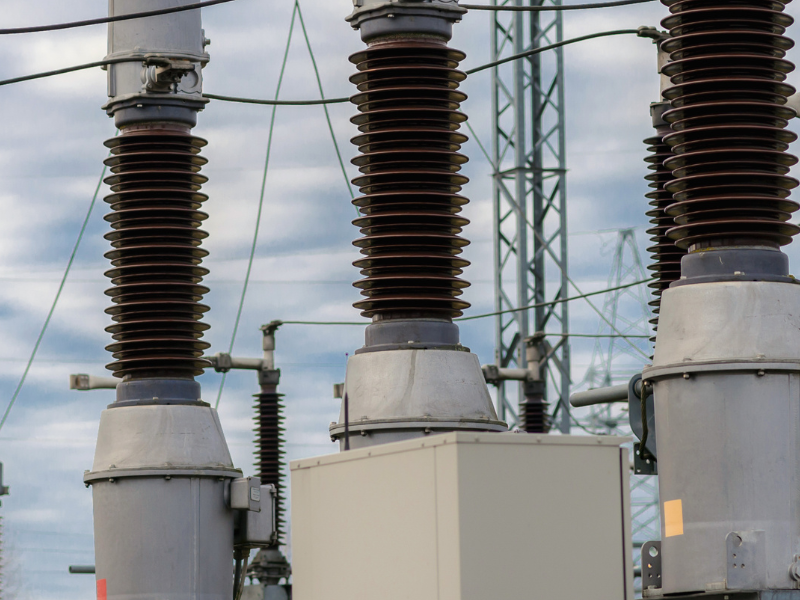
What Is a Transformer Insulator?
A transformer insulator is a component designed to electrically isolate transformer conductors from grounded structures while maintaining mechanical support.
Insulators are often installed at:
- Bushings
- Terminals
- Connection points
- External conductor interfaces
Their role is to prevent electrical leakage and maintain safe operation.
Why Is a Transformer Insulator Important?
A transformer insulator helps:
- Prevent current leakage
- Maintain electrical clearances
- Improve equipment safety
- Support high-voltage operation
Without reliable insulators, transformer performance and safety could be compromised.
What Are Transformer Insulation Classes?
Insulation materials have temperature limits beyond which their properties begin to degrade.
To help standardize performance expectations, transformers are classified according to insulation temperature ratings.
These ratings help engineers select appropriate insulation systems for specific applications.
What Are the Common Transformer Insulation Classes?
Common insulation classes include:
| Insulation Class | Maximum Temperature Rating |
|---|---|
| Class A | 105°C |
| Class E | 120°C |
| Class B | 130°C |
| Class F | 155°C |
| Class H | 180°C |
The appropriate class depends on operating conditions and application requirements.
Why Does Insulation Class Matter?
Higher insulation classes allow transformers to:
- Operate at higher temperatures
- Handle greater thermal loads
- Achieve longer service life under demanding conditions
Proper insulation class selection is essential for reliable performance.
How Does Transformer Insulation Affect Efficiency?
Insulation degradation can cause:
- Leakage currents
- Increased heat generation
- Partial discharge activity
- Reduced efficiency
Maintaining insulation quality helps preserve transformer performance throughout its life.
How Does Insulation Support Thermal Management?
Insulation systems influence how heat moves through the transformer.
A well-designed insulation system helps:
- Maintain safe temperatures
- Protect winding conductors
- Improve operating stability
This contributes to improved reliability and efficiency.
What Factors Can Damage Transformer Insulation?
How Does Heat Affect Insulation?
Heat is one of the biggest threats to transformer insulation.
Excessive temperatures can cause:
- Material aging
- Reduced dielectric strength
- Brittleness
- Premature failure
Proper temperature management helps extend insulation life.
How Does Moisture Affect Insulation?
Moisture can significantly reduce insulation effectiveness.
Possible consequences include:
- Lower dielectric strength
- Increased leakage currents
- Accelerated insulation degradation
This is why moisture control is critical in transformer maintenance.
How Do Electrical Stresses Affect Insulation?
Continuous voltage stress can gradually weaken insulation systems.
Potential issues include:
- Partial discharge
- Surface tracking
- Electrical breakdown
Proper insulation system design helps minimize these risks.
How Is Transformer Insulation Tested?
Why Is Insulation Testing Important?
Regular testing helps identify developing problems before they lead to failures.
Benefits include:
- Improved reliability
- Reduced downtime
- Better maintenance planning
- Longer transformer life
What Tests Are Commonly Performed?
Common insulation assessments include:
- Insulation resistance testing
- Dielectric strength testing
- Partial discharge testing
- Polarization index testing
- Dissolved gas analysis for oil-filled transformers
These tests help evaluate insulation condition and overall transformer health.
How Can Manufacturers Improve Transformer Insulation Performance?
Use High-Quality Insulation Materials
Material quality directly affects:
- Dielectric strength
- Thermal performance
- Long-term reliability
Selecting the right insulation system is critical during design and manufacturing.
Optimize Winding Design
Good winding design helps:
- Improve insulation spacing
- Reduce electrical stress
- Enhance cooling performance
Precision winding techniques play an important role in insulation effectiveness.
Maintain Proper Manufacturing Controls
Consistent manufacturing practices help ensure:
- Accurate insulation placement
- Reduced defects
- Better product reliability
Advanced winding and assembly technologies contribute significantly to transformer performance.
What Is the Relationship Between Transformer Windings and Insulation?
Why Is Winding Quality Important for Insulation Performance?
Transformer windings and insulation systems work together.
Poor winding quality may create:
- Excessive stress points
- Insulation damage
- Reduced dielectric performance
Precision winding helps improve insulation effectiveness and transformer reliability.
How Does Advanced Winding Technology Support Better Insulation?
Modern winding systems help manufacturers achieve:
- Consistent insulation placement
- Uniform conductor spacing
- Improved winding quality
- Reduced manufacturing variation
These advantages contribute to safer and more reliable transformers.
Conclusion
Transformer insulation is one of the most important factors influencing transformer safety, efficiency, and lifespan. Whether discussing insulation in transformer systems, selecting a transformer insulator, understanding insulation classes, or evaluating insulation materials, a well-designed insulation system is essential for reliable operation.
By combining high-quality insulation materials, optimized winding designs, effective cooling systems, and rigorous testing practices, manufacturers can significantly improve transformer performance and longevity.
At Synthesis Winding Technologies, we understand that transformer performance begins with precision winding and robust insulation practices. Our advanced winding technologies help manufacturers produce high-quality transformer windings that support improved insulation integrity, reliability, and long-term performance.
Looking to enhance transformer winding quality and insulation performance? Contact Synthesis Winding Technologies to explore advanced winding solutions designed for modern transformer manufacturing.
FAQs
1. Why is insulation important in transformers?
Insulation prevents short circuits, controls electrical stress, supports thermal performance, and improves transformer reliability.
2. What is a transformer insulator?
A transformer insulator is a component that provides electrical isolation while supporting conductors and maintaining safe clearances.
3. What materials are used for insulation in transformers?
Common materials include insulating paper, pressboard, polyester films, Nomex insulation, mineral oil, and ester-based insulating fluids.
4. What are transformer insulation classes?
Transformer insulation classes define the maximum operating temperature that insulation materials can withstand without excessive degradation.
5. What factors can damage transformer insulation?
Heat, moisture, electrical stress, contamination, and aging are some of the most common causes of insulation deterioration.