

Table of Contents
ToggleCopper Losses: A Complete Guide to Transformer Copper Losses, Causes, Calculations, and Reduction Methods for 2026
Transformers are designed to transfer electrical energy efficiently from one circuit to another. However, no transformer operates with 100% efficiency. During operation, a portion of electrical energy is lost in the form of heat, and one of the most significant losses is known as copper losses.
Understanding copper losses in transformer systems is essential for engineers, transformer manufacturers, designers, and maintenance professionals because these losses directly affect efficiency, heat generation, operating costs, and overall transformer performance.
Whether you are trying to understand what is copper loss, calculate the copper loss of transformer, or learn the full load copper loss formula, this guide covers everything you need to know.
What Are Copper Losses?
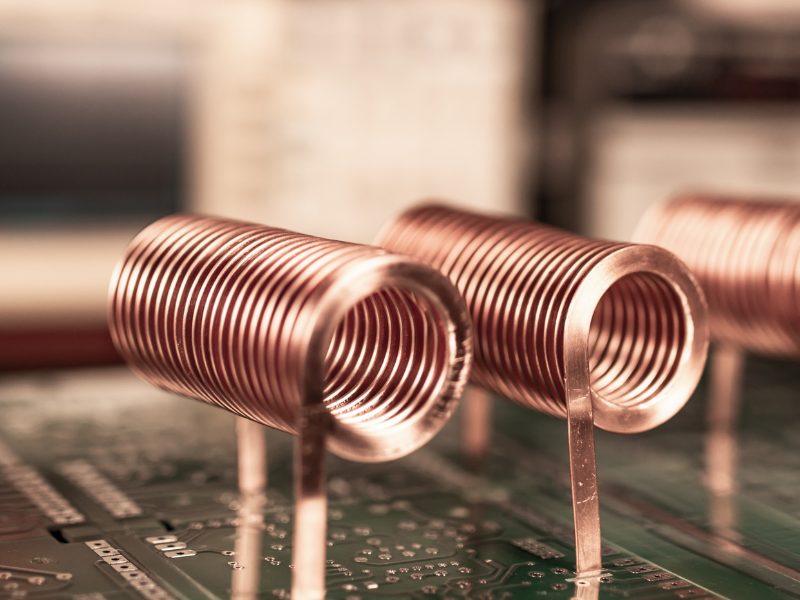
Copper losses are the electrical energy losses that occur in transformer windings due to the resistance of the conductor carrying current.
As electrical current flows through the winding conductors, resistance opposes the flow of current and converts part of the electrical energy into heat.
This phenomenon is commonly referred to as the I²R loss, where:
- I = Current flowing through the winding
- R = Resistance of the conductor
A simple answer to what is copper loss is:
Copper loss is the heat generated when electrical current passes through the resistance of transformer windings.
What Are Copper Losses in a Transformer?
Copper losses in a transformer occur in both the primary and secondary windings during operation.
Since transformer windings are typically manufactured using copper conductors, these losses are referred to as copper losses.
The amount of loss depends primarily on:
- Winding resistance
- Load current
- Conductor size
- Winding temperature
- Material quality
Unlike core losses, copper losses vary with transformer loading.
Why Are Copper Losses Important in Transformers?
Every watt lost as heat reduces the transformer’s efficiency.
Higher transformer copper loss results in:
- Lower operating efficiency
- Increased energy consumption
- Higher operating temperatures
- Reduced equipment lifespan
Minimizing copper losses is therefore a major objective in transformer design.
Why Do Copper Losses Increase at Higher Loads?
As transformer load increases, winding current also increases.
Because copper loss is proportional to the square of the current:
- Small increases in current can result in significantly higher losses.
- Heat generation increases rapidly.
- Efficiency decreases if losses become excessive.
This relationship makes proper winding design extremely important.
How Are Copper Losses Generated?
All conductors possess electrical resistance.
When current flows through the winding:
- Electrical resistance opposes current flow.
- Energy is dissipated as heat.
- The winding temperature increases.
- Total efficiency decreases.
This heat generation is unavoidable, although it can be minimized through proper design.
Where Do Copper Losses Occur in a Transformer?
Copper losses of transformer windings occur in:
- Primary winding conductors
- Secondary winding conductors
- Electrical connections and joints
Any section carrying load current contributes to copper losses.
What Is the Full Load Copper Loss Formula?
The most common full load copper loss formula is:
Copper Loss = I²R
Where:
- I = Load current
- R = Winding resistance
This formula shows that copper loss increases as current increases.
Even a small increase in current can significantly increase losses because current is squared.
What Is the Full Load Copper Loss Formula for Transformers?
At full load, the transformer current reaches its rated operating value.
The full load copper loss formula becomes:
Full Load Copper Loss = (Full Load Current)² × Winding Resistance
This calculation provides the copper loss under rated operating conditions.
Why Is Copper Loss Called I²R Loss?
Copper loss is often referred to as I²R loss because:
Power Loss = Current² × Resistance
The current term is squared, making current the most significant variable affecting copper losses.
What Factors Affect Copper Losses in Transformer Systems?
Winding Resistance
Resistance is directly related to energy loss.
Higher resistance results in:
- More heat generation
- Higher operating temperatures
- Reduced efficiency
Reducing winding resistance is one of the primary methods for lowering copper losses.
Wire Size
The cross-sectional area of the conductor plays a major role in transformer performance.
Larger conductors provide:
- Lower resistance
- Better current carrying capability
- Reduced I²R losses
This is one reason transformer winding design carefully considers wire gauge selection.
Temperature
Copper resistance increases as temperature increases.
As winding temperatures rise:
- Resistance increases
- Copper losses increase further
- Additional heat is generated
This cycle makes thermal management a critical aspect of transformer design.
How Does Copper Wire Gauge Affect Copper Losses?
Wire gauge directly influences conductor resistance.
Thicker conductors generally provide:
- Lower resistance
- Reduced copper losses
- Improved efficiency
- Lower temperature rise
Transformer manufacturers carefully select conductor size based on expected electrical loading.
What Happens When Wire Size Is Too Small?
Undersized conductors may cause:
- Increased heating
- Excessive voltage drops
- Higher copper losses
- Reduced transformer lifespan
Proper conductor sizing is essential for reliable operation.
What Is the Difference Between Copper Loss and Core Loss?
What Are Core Losses?
Core losses occur within the magnetic core of the transformer.
These losses include:
- Hysteresis losses
- Eddy current losses
Unlike copper losses, core losses exist even when no load is connected.
How Do Copper Losses Differ from Core Losses?
| Parameter | Copper Losses | Core Losses |
|---|---|---|
| Location | Windings | Transformer core |
| Cause | Winding resistance | Magnetic effects |
| Load Dependency | Varies with load | Nearly constant |
| Formula | I²R | Material-dependent |
| Heat Source | Current flow | Magnetic flux |
Both losses contribute to overall transformer inefficiency.
How Do Copper Losses Affect Transformer Performance?
Higher copper losses transformer systems experience:
- Lower efficiency
- Greater energy waste
- Increased operating costs
Reducing losses helps improve overall electrical performance.
How Do Copper Losses Affect Transformer Temperature?
The energy lost through resistance becomes heat.
Excessive heat may result in:
- Insulation degradation
- Accelerated aging
- Reduced transformer lifespan
- Increased cooling requirements
Controlling copper losses is therefore critical for thermal management.
How Can Copper Losses in Transformer Systems Be Reduced?
Use High-Quality Copper Conductors
High-conductivity copper helps reduce resistance and improve current carrying capacity.
Benefits include:
- Reduced losses
- Better efficiency
- Lower operating temperatures
Optimize Winding Design
Proper winding design improves:
- Current distribution
- Heat dissipation
- Electromagnetic performance
Precision winding technologies help manufacturers achieve these goals consistently.
Increase Conductor Cross-Section
Using larger conductors can help:
- Lower resistance
- Reduce I²R losses
- Improve transformer efficiency
The optimal conductor size depends on application requirements and cost considerations.
Improve Cooling Systems
Effective cooling helps maintain lower winding temperatures.
Benefits include:
- Lower operating resistance
- More stable performance
- Extended transformer life
Good thermal management complements winding optimization efforts.
Why Are Copper Losses Important in Transformer Manufacturing?
Transformer engineers consider copper losses when determining:
- Wire gauge
- Number of winding turns
- Current ratings
- Cooling requirements
- Efficiency targets
Every transformer design involves balancing performance, efficiency, size, and cost.
Why Do Manufacturers Focus on Reducing Copper Losses?
Reducing copper losses helps achieve:
- Higher efficiency ratings
- Lower operating costs
- Improved reliability
- Better thermal performance
- Enhanced product competitiveness
As energy efficiency regulations continue to evolve, minimizing losses becomes increasingly important.
How Does Precision Winding Help Reduce Copper Losses?
Poor winding quality can create:
- Uneven current paths
- Excessive resistance
- Additional heat generation
Precision winding helps ensure optimal conductor placement and performance.
How Does Automation Improve Transformer Windings?
Advanced winding automation delivers:
- Consistent winding quality
- Improved conductor placement
- Better tension control
- Reduced manufacturing variation
These improvements help manufacturers create more efficient transformers.
Conclusion
Copper losses are among the most important factors influencing transformer performance, efficiency, and operating temperature. Understanding what is copper loss, how copper losses in transformer systems are generated, and how the full load copper loss formula is applied enables engineers to design more efficient and reliable transformers.
By optimizing conductor selection, improving winding design, managing temperatures, and implementing advanced manufacturing techniques, transformer manufacturers can significantly reduce losses and improve overall equipment performance.
At Synthesis Winding Technologies , we specialize in advanced winding solutions, transformer winding automation, and precision manufacturing technologies that help reduce losses and improve product efficiency. Our expertise supports transformer manufacturers in producing high-quality windings that meet modern performance and energy-efficiency requirements.
Looking to improve transformer winding quality and reduce copper losses? Contact Synthesis Winding Technologies to explore advanced winding solutions designed for next-generation transformer manufacturing.
FAQs
1. What is the full load copper loss formula?
The full load copper loss formula is:
Copper Loss = I²R
where I is the full-load current and R is winding resistance.
2. Why do copper losses increase with load?
Copper losses increase with load because current increases, and copper loss is proportional to the square of the current.
3. What causes transformer copper loss?
Transformer copper loss is caused by the resistance of winding conductors that oppose current flow and generate heat.
4. How can copper losses be reduced?
Copper losses can be reduced through larger conductors, high-quality copper, optimized winding design, precision manufacturing, and effective cooling systems.
5. How are copper losses different from core losses?
Copper losses occur in transformer windings and vary with load, while core losses occur in the magnetic core and remain relatively constant regardless of load.